
You are here
Diplomacy & Defense Think Tank News
Coopération : Le Président de la Commission de l'Union africaine en visite au Burkina
Le Président de la Commission de l'Union africaine (UA), Mahamoud Ali Youssouf est arrivé dans la soirée du mardi 14 juillet 2026 à Ouagadougou pour une visite de travail de 72 heures, informe la direction de la communication du ministère des affaires étrangères.
Cette visite est la première qu'effectue Mahamoud Ali Youssouf au pays des hommes intègres depuis sa prise de fonction. Elle témoigne d'une volonté commune de renforcer le dialogue et la coopération entre l'Union africaine et les autorités burkinabè.
Accueilli à l'aéroport international de Ouagadougou par le ministre des Affaires étrangères, de la Coopération régionale et des Burkinabè de l'Extérieur, Karamoko Jean Marie Traoré, en présence de l'ambassadeur du Burkina Faso auprès de l'Union africaine, Elysée Ouédraogo, le Président de la Commission de l'UA a exprimé sa satisfaction de fouler le sol burkinabè.
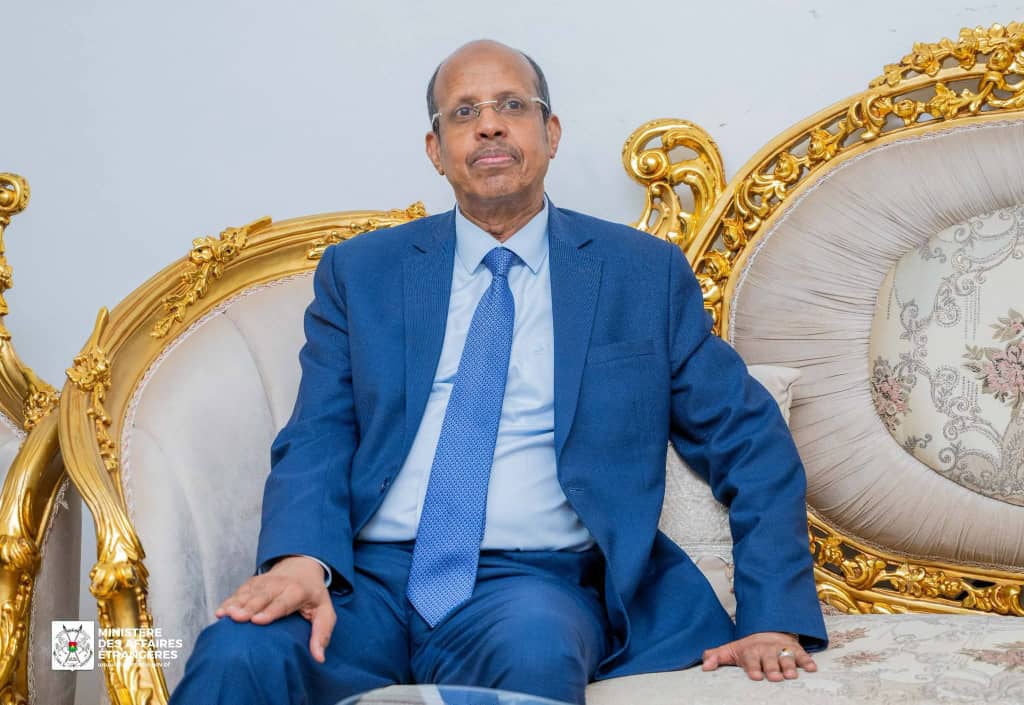
Pour Mahamoud Ali Youssouf, cette visite traduit l'engagement de l'organisation panafricaine à consolider la solidarité entre ses États membres afin de répondre efficacement aux défis communs auxquels le continent est confronté. Il a rappelé que le Burkina Faso, membre fondateur de l'Organisation de l'unité africaine (OUA), occupe une place importante au sein de l'institution continentale.
« Le Burkina est un État membre de notre Union africaine et fondateur de l'Unité africaine. À ce titre, le Président de la Commission est dans l'obligation de venir consulter et travailler avec le gouvernement afin de voir dans quelle mesure un certain nombre de problèmes qui nous sont communs sur le continent peuvent être réglés à travers une solidarité en partenariat », a-t-il déclaré à son arrivée.
Au cours de son séjour, le Président de la Commission de l'Union africaine aura des échanges avec les plus hautes autorités du Burkina Faso. Les discussions devraient porter sur les questions de paix et de sécurité, l'intégration régionale, ainsi que sur les perspectives de renforcement des relations entre l'UA et le Burkina Faso.
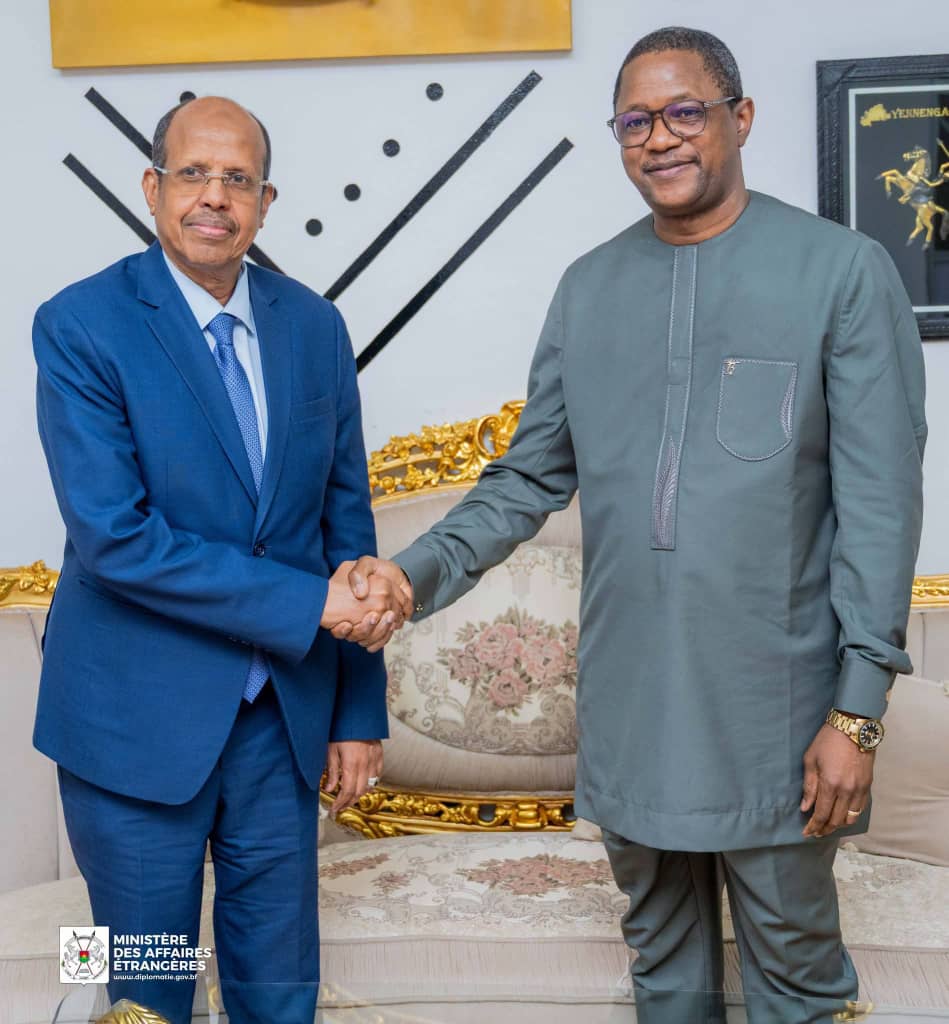
Cette visite s'inscrit dans le cadre d'une tournée au sein de la Confédération des États du Sahel (AES). Avant Ouagadougou, Mahamoud Ali Youssouf a séjourné à Bamako, au Mali, où il a achevé la première étape de sa mission le 14 juillet 2026.
Par cette démarche, l'Union africaine semble vouloir renouer un dialogue plus soutenu avec les pays de l'AES, dans un contexte marqué par la recherche de nouvelles dynamiques de coopération et de concertation sur les grands enjeux du continent.
Lefaso.net
DCRP/MAE
Categories: Afrique, Diplomacy & Defense Think Tank News
Jusqu’à quand les empires accepteront-ils de perdre ?
Il y a quelque chose de vertigineux à observer simultanément deux grandes puissances mondiales enlisées dans des guerres qu’elles ne parviennent pas à gagner. Donald Trump vient de signer à Versailles ce que beaucoup présentent comme une capitulation face à l’Iran. Vladimir Poutine, lui, s’enfonce depuis plus de quatre ans dans un bourbier ukrainien qui devait durer trois jours. Dans un monde où deux hommes, l’Américain et le Russe, disposent chacun d’un arsenal nucléaire capable de réduire leur adversaire en cendres, la question se pose avec une urgence croissante : jusqu’à quand des empires accepteront-ils de perdre des guerres asymétriques ?
Commençons par l’Ukraine, où la situation militaire à la mi-juillet 2026 est singulière. La Russie grignote encore du terrain : quelques kilomètres dans le Donbass, une pression constante sur Kharkiv. Mais l’Ukraine n’est plus en train de perdre la guerre. Elle ne la gagne pas non plus. Elle ne reprendra pas la Crimée par la force, et chacun le sait. Mais elle a réussi quelque chose de bien plus subtil et potentiellement décisif : frapper la Russie en son sein. Les infrastructures énergétiques russes sont visées méthodiquement. Moscou est contrainte d’interdire ses exportations de gazole pour lutter contre les pénuries internes. Zelensky a résumé sa stratégie avec une clarté chirurgicale : « Frapper la Russie au cœur de son territoire pour contraindre Moscou à négocier. Plus les frappes ukrainiennes s’enfoncent en profondeur en Russie, plus la pression sur Poutine devient insupportable. ».
La logique est implacable. Il ne s’agit pas de vaincre militairement la Russie, objectif hors de portée. Il s’agit d’humilier Poutine, de l’acculer, de le contraindre à des négociations où il devra consentir à quelques concessions. Trump, qui n’a jamais caché son tropisme pour le « mâle alpha » du Kremlin, soutient désormais cette stratégie, non par amour de l’Ukraine, mais parce qu’il espère se poser en grand faiseur de paix avant les midterms de novembre. Il vient d’annoncer à Ankara qu’il autoriserait Kiev à fabriquer ses propres missiles Patriot, dont elle manque cruellement.
Mais voilà où le raisonnement achoppe. Vladimir Poutine n’est pas Donald Trump. Trump est un président élu. Il lui reste encore deux ans de mandat, et perdre un conflit ne lui ferait pas perdre le pouvoir. Poutine est un autocrate. Et les autocrates ne peuvent pas perdre leurs guerres, parce que perdre une guerre, c’est perdre le pouvoir. Et perdre le pouvoir, pour Poutine, ce n’est pas finir dans une datcha au bord de la mer Noire à rédiger ses mémoires. C’est finir une balle dans la tête ou, pire, comme Kadhafi, dans un caniveau, lynché par une foule en colère. C’est l’obsession qui gouverne toutes ses décisions depuis plus de vingt ans.
La stratégie de l’humiliation mise en œuvre par Zelensky n’est donc pas sans risques. Elle pourrait certes amener la population russe, fatiguée de ces interminables files d’attente pour quelques gouttes d’essence, à gronder assez fortement pour que des membres de l’entourage de Poutine envisagent de le pousser vers la sortie. Mais un Poutine acculé, qui sent qu’il perd l’opinion et qu’il pourrait être victime d’un coup d’État intérieur, est infiniment plus dangereux qu’un Poutine en position de force.
L’hypothèse d’un recours à une arme nucléaire tactique ne peut plus être écartée d’un revers de main. Nous n’en sommes pas là. Mais la question doit être posée, sans tabou ni naïveté, parce que c’est précisément là que mène la logique de l’humiliation poussée jusqu’à son terme.
Et c’est là que nous revenons à la question centrale. Nous vivons désormais dans un monde où le système multilatéral construit après 1945 est à l’agonie. L’administration Trump-Vance l’a méthodiquement déconstruit : bilatéralisme assumé, loi du plus fort érigée en doctrine. Dans ce monde où la justice internationale ne s’applique plus qu’aux vaincus et aux faibles, où les alliances traditionnelles ne valent plus le papier sur lequel elles sont signées, la tentation pour les grandes puissances de franchir les lignes rouges est structurellement plus forte.
Car c’est bien de cela qu’il s’agit. Deux empires, américain et russe, qui ont perdu ou sont en train de perdre politiquement des guerres contre des adversaires militairement infiniment inférieurs. L’un contre l’Iran, l’autre contre l’Ukraine. Dans les deux cas, la puissance supérieure disposait de tous les moyens conventionnels pour écraser son adversaire. Dans les deux cas, quelque chose a résisté : la détermination d’un peuple, l’asymétrie des enjeux, la désorganisation de l’empire.
L’Histoire nous a pourtant déjà enseigné cette leçon. Les États-Unis l’ont apprise au Viêtnam, en Afghanistan, en Irak. L’Union soviétique l’a apprise en Afghanistan. Les empires ne gagnent pas les guerres asymétriques, non par manque de puissance de feu, mais parce que la puissance de feu ne suffit pas quand l’adversaire se bat pour sa survie et que vous vous battez pour une abstraction géopolitique.
La vraie question, la question terrifiante, est celle-ci : dans un monde sans arbitre international crédible, sans système multilatéral capable de contenir les frustrations des grandes puissances, que se passe-t-il lorsqu’un empire doté de plusieurs milliers d’armes nucléaires décide qu’il n’accepte plus de perdre ?
Romuald Sciora, essayiste franco-américain, est directeur de l’Observatoire politique et géostratégique des États-Unis de l’IRIS. Dernière publication : America 250, une histoire graphique des États-Unis, vol. 1, Né dans le sang (éditions Point Nemo).
L’article Jusqu’à quand les empires accepteront-ils de perdre ? est apparu en premier sur IRIS.
Categories: Diplomacy & Defense Think Tank News, European Union
Avis d'Appel d'offres national Un (01) Bâtiment Principal comprenant une (01) salle de réception, deux (02) dortoirs pour les femmes et les filles, une (01) cuisine, une (01) salle à manger, une (01) salle de réunion, cinq (05) bureaux, trois (03)...
le genre (ONE Stop Center) dans la commune de Banfora, province de la Comoé, région de Tannouyan.
Lot Commune Quantité Site Description détaillée des tâches à réaliser
Banfora 1 Secteur 4 Un (01) Bâtiment Principal comprenant une (01) salle de réception, deux (02) dortoirs pour les femmes et les filles, une (01) cuisine, une (01) salle à manger, une (01) salle de réunion, cinq (05) bureaux, trois (03) toilettes internes, deux (02) couloirs.
L'ONG Aide de l'Eglise Norvégienne invite, par le présent Avis d'Appel d'Offres, les Soumissionnaires éligibles à présenter leurs offres sous plis fermés pour : Travaux de construction d'un centre intégré de prise en charge des survivantes des violences basées sur le genre (One stop center) à Banfora.
Les travaux sont subdivisés en un seul (01) lot :
Lot Intitulé du lot
Lot 1 Le Lot est composé de :
Un (01) Bâtiment Principal comprenant une (01) salle de réception, deux (02) dortoirs pour les femmes et les filles, une (01) cuisine, une (01) salle à manger, une (01) salle de réunion, cinq (05) bureaux, trois (03) toilettes interne, deux (02) couloirs.
Un bloc de latrine à deux (02) cabines (externes)
Un hangard pour les activités récréatives avec les femmes et les filles
Les travaux objets du présent appel d'offres national se répartissent comme suit :
L'EGLISE NORVEGIENNE
Un bloc de latrine à deux (02) cabines (Externes)
Un hangard pour les activités des femmes et filles
NB : Le prestataire sélectionné, réalisera les travaux sur le terrain selon l'approche Haute Intensité de Main d'œuvre (HIMO) dans la mesure du possible. Le cas échéant, la main d'œuvre à utiliser sur le chantier sera recrutée localement. Tous les travaux seront réalisés dans le strict respect des spécifications techniques.
La soumission d'Offres sera réalisée conformément aux dispositions de la procédure d'Appels d'Offres Nationaux avec qualification telle que stipulée dans les lignes directrices de la Facilité Sahel (FS) et de la KM/ pour la passation de marchés de biens, de travaux et des services associés pour la coopération financière avec les pays partenaires (« Lignes directrices de KM/ »).
La participation à la concurrence est ouverte à toutes les personnes, morales ou groupements des dites personnes pour autant qu'ils soient en règle vis-à-vis de l'administration et non frappées d'interdiction ou de suspension.
Le délai d'exécution des travaux est de cent quatre-vingts jours (180) à compter de la date indiquée sur l'ordre de service de commencer les travaux.
Les Soumissionnaires éligibles intéressés peuvent obtenir des informations supplémentaires auprès de l'Aid de l'Eglise Norvégienne (AEN) à l'adresse électronique bf.procurement@nca.no et en mettant en copie bfa.benkadi@savethechildren.org ou appeler les numéros de téléphone suivants : à l'adresse Tél : 00226 77121660 et 00226 5127 98 37.
Dates importantes :
Date prévue de publication de l'appel d'offres dans les journaux : 15 juillet 2026. Date de visite de site : 25 juillet 2026 à 9h00, avec pour lieu de départ : Bureau Ben Kadi sise au secteur 7 de Banfora, non loin du lycée sacré cœur.
Date limite de soumission des demandes de renseignements/questions le 29 juillet
2026.
Date limite de réponses aux fournisseurs le 31 juillet 2026
Date limite de dépôt des offres : le 06 aout 2026 à 9h00
Date de dépouillement : le 06 aout 2026 à 10h00 au Bureau Ben Kadi à Banfora.
Séance de travail de la commission mixte du consortium 06 aout 2026
Analyse des offres : Du 07 au 14 aout 2026
Publication des résultats dans les médias : Le 20 aout 2026.
La signature du contrat avec l'entreprise sélectionnée et la communication aux soumissionnaires non retenus doivent être fournies au plus tard le : 27 aout 2026 Rencontre de cadrage le 30 aout 2026 à 10h 00
L'EGLISE NORYE61ENNE
• Date de démarrage des travaux : le 1er septembre 2026
Les soumissionnaires resteront engagés par leurs offres pour un délai de deux cent quarante jours (240) jours, à compter de la date de remise des offres.
L'administration de l'ONG Aide de l'Église Norvégienne se réserve le droit de ne donner aucune suite à tout ou partie du présent appel d'offres.
Ouagadougou, le 15 juillet 2026
Le Chef de
Abdou Ra i n
Categories: Afrique, Diplomacy & Defense Think Tank News
Pourquoi certaines administrations fiscales collectent-elles mieux avec moins de moyens ?
Joëlle Traoré est docteure en droit public de l'Université Paris 1 Panthéon-Sorbonne. Elle est spécialisée en fiscalité internationale et africaine, avec une expertise en matière de flux financiers illicites, de réformes fiscales mondiales et de mobilisation des ressources nationales. Elle a collaboré avec des institutions africaines et internationales sur les questions de gouvernance fiscale en Afrique.
Selon une étude publiée en 2022 par Mackenzie, Jansen et Siebrits de l'Université de Stellenbosch, fondée sur les données de 27 administrations fiscales africaines compilées par l'ATAF, certaines administrations pourraient améliorer leurs performances de 3 % à 79 % à cadre législatif inchangé. Ce constat invite à reconsidérer les déterminants réels de la performance fiscale : au-delà du droit applicable, c'est la qualité de l'organisation et de la gouvernance de l'administration qui s'avère déterminante.
Des facteurs institutionnels au cœur des écarts de performance
L'étude identifie quatre facteurs explicatifs des disparités observées entre administrations : le degré d'autonomie accordé à l'agence de collecte, la segmentation des contribuables, la qualité des systèmes d'information et l'importance du secteur informel. Ces facteurs ne procèdent pas du seul niveau des ressources financières allouées à l'administration. Ils traduisent des choix de gouvernance que chaque État opère dans la conception et l'organisation de son appareil fiscal.
Le cas du Togo : une reconfiguration institutionnelle aux effets mesurables
Institué par la loi du 10 décembre 2012 et rendu opérationnel en 2014, l'Office Togolais des Recettes est issu de la fusion de la direction générale des impôts et de la direction générale des douanes au sein d'une entité unique, dotée d'une autonomie de gestion administrative et financière. Cette recomposition institutionnelle s'est articulée autour d'un mandat unifié, d'une gouvernance rénovée, d'une accélération de la digitalisation des procédures et d'une segmentation des contribuables fondée sur la taille et le secteur d'activité.
Les résultats enregistrés sont significatifs. Entre 2013 et 2022, les recettes fiscales collectées sont passées de 403 milliards de FCFA à 865 milliards, soit une progression de 114 % en une décennie. En 2023, l'OTR a collecté 990 milliards de FCFA, contre un objectif de 912 milliards, soit un taux de réalisation de 108 %. En 2024, les recettes budgétaires s'élèvent à 1 098 milliards de FCFA, contre 560 milliards en 2018. Sur la période 2019-2024, le taux moyen de réalisation des objectifs de recettes s'établit à 104 %.
Ces résultats procèdent notamment de la dématérialisation des procédures fiscales et douanières, du renforcement des mécanismes de lutte contre la fraude et de l'élargissement progressif de l'assiette fiscale. Ils attestent de ce qu'une administration dotée d'un mandat clair et d'une autonomie institutionnelle effective est en mesure de produire des gains substantiels de mobilisation, indépendamment de toute modification du cadre législatif.
Le cas de l'Ouganda : une progression inscrite dans la durée
L'Uganda Revenue Authority, créée en 1991, affichait, à son lancement, un ratio des recettes fiscales au PIB de 6,83 %. En 2015, ce ratio atteignait 13 %, témoignant d'une amélioration réelle, quoique progressive et étalée sur plusieurs décennies. En 2024/25, l'effort fiscal s'établissait à 14,3 % du PIB, avec un taux de réalisation des objectifs de recettes de 100,84 %. Les autorités attribuent cette dynamique à la montée en puissance des outils numériques, notamment la facturation électronique et les systèmes de traçabilité des transactions.
La Banque mondiale relève néanmoins que ce ratio de 14 % demeure inférieur au seuil de 15 % considéré comme essentiel au financement du développement, et nettement en dessous de la moyenne d'Afrique subsaharienne de 18,6 %.
Si les réformes engagées ont produit des effets tangibles, la base fiscale reste étroite, le secteur informel demeure largement en dehors du champ de l'imposition effective, et la confiance des contribuables envers l'administration fiscale demeure fragile. La trajectoire ougandaise illustre ainsi qu'une institution peut progresser de manière soutenue à long terme, tout en restant en deçà de son potentiel réel de mobilisation des recettes fiscales.
De la performance fiscale à la question institutionnelle
Le Togo et l'Ouganda n'offrent pas le même bilan, mais leur rapprochement soulève une question commune : quels sont les véritables déterminants de la capacité d'une administration fiscale à mobiliser les ressources à la hauteur de son potentiel de collecte ?
La réponse ne réside pas dans le seul volume des moyens engagés. Elle tient à la capacité de l'administration à identifier les contribuables, à différencier le traitement des assiettes selon leur nature et leur taille, à alléger les coûts de conformité fiscale, et à rendre le contrôle fiscal suffisamment crédible pour dissuader les comportements d'évitement. Ces capacités procèdent autant de choix institutionnels que d'investissements financiers.
Le degré d'autonomie accordé à l'administration fiscale dans sa gestion figure parmi les facteurs les plus déterminants identifiés par la recherche. Une administration dotée d'une autonomie renforcée tend à afficher de meilleures performances de collecte que celle d'une institution dont la marge de manœuvre opérationnelle est limitée.
La mobilisation des ressources fiscales est ainsi tributaire, au même titre que du niveau de développement économique, des choix opérés dans la conception, l'organisation et la gouvernance de l'administration chargée de les recouvrer. Les cas du Togo et de l'Ouganda en offrent une illustration concrète et contrastée.
Categories: Afrique, Diplomacy & Defense Think Tank News
Historischer Wandel von Kontrollüberzeugungen
Eine aktuelle SOEP-Studie mit mehr als 42.000 Befragten von einem Forschungsteam um Theresa M. Entringer zeigt, dass jüngere Geburtskohorten in Deutschland stärker davon überzeugt sind, ihr Leben beeinflussen zu können, und dieses Gefühl auch bis ins höhere Alter bewahren. Unterschiede zwischen den ...
Categories: Diplomacy & Defense Think Tank News
COVID-19 beeinflusst Risikopräferenzen kaum
Eine neue Analyse von Daniel Graeber, Ulrich Schmidt, Carsten Schröder und Johannes Seebauer auf Basis von SOEP-Daten und unter Berücksichtigung regionaler Unterschiede bei Infektionsraten zeigt: Trotz steigender finanzieller Sorgen und Ängste bleiben individuelle Risikopräferenzen weitgehend stabil ...
Categories: Diplomacy & Defense Think Tank News
Burkina/15e édition des Universités Africaines de la Communication : Le Comité scientifique installé
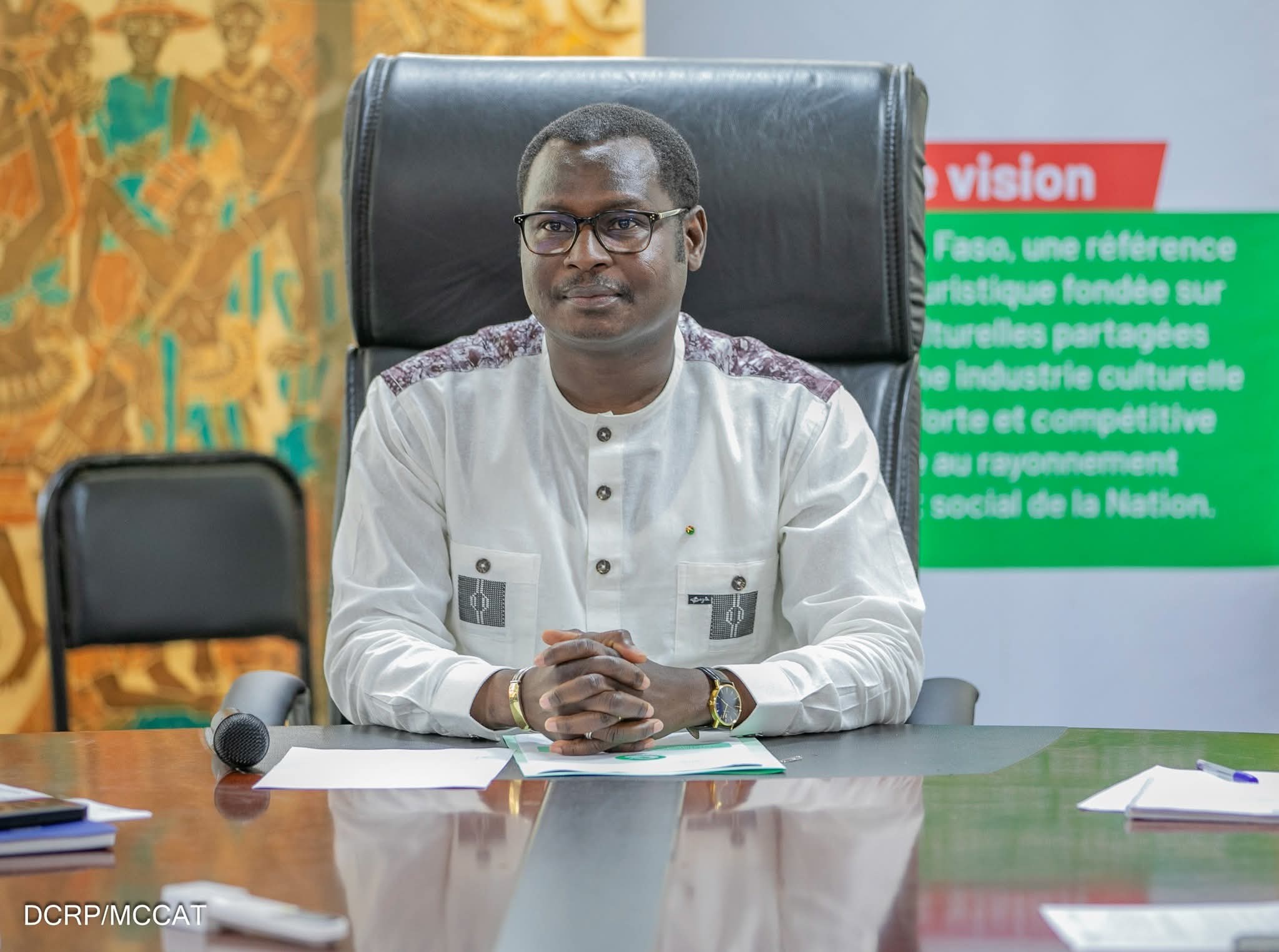
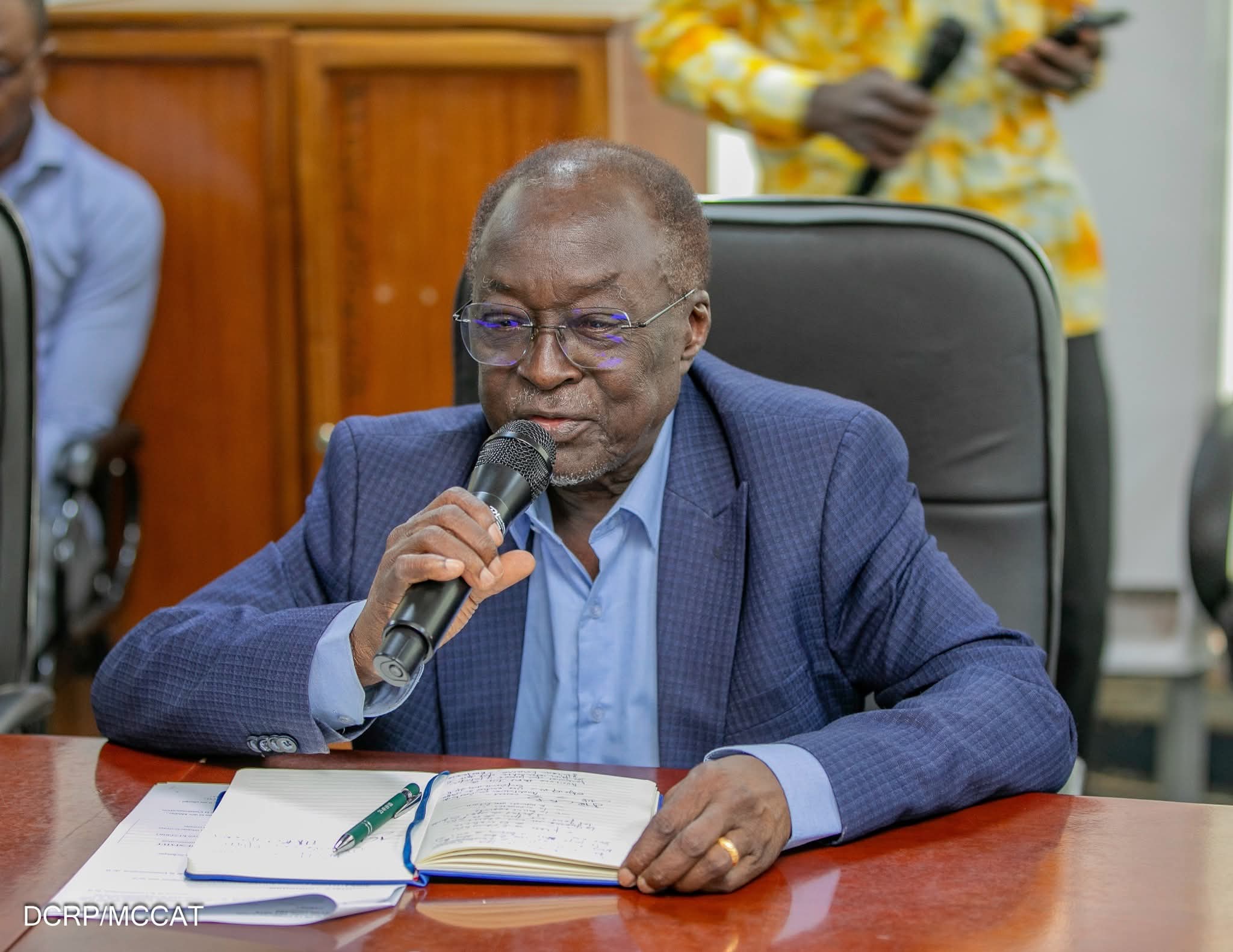
Le Ministre de la communication, de la culture, des arts et du tourisme (MCCAT) Pingdwendé Gilbert Ouédraogo a officiellement installé le comité scientifique de la 15e édition des Universités Africaines de la Communication de Ouagadougou, (UACO) le mardi 14 juillet 2026, rapporte la direction de la communication du MCCAT.
Le comité scientifique installé comprend dix membres parmi lesquels des hommes de lettres et de culture, des enseignants-chercheurs et des professionnels du domaine de l'information et de la communication. Il aura pour mission de définir les orientations scientifiques de cette 15e édition à travers la formulation du thème général et des axes de réflexion.
Dans son discours, le ministre a rappelé les fondements de cet évènement majeur du secteur de la communication et de l'information en Afrique : " les UACO, depuis leurs institutions en 2004, constituent un espace majeur de réflexions, d'échanges et de production d'idées sur les enjeux et les défis de la communication en Afrique. Elles réunissent des experts, des chercheurs, des journalistes et communicants autour des grandes problématiques liées à l'évolution des médias, des technologies de l'information et des pratiques communicationelles ", a-t-il indiqué.
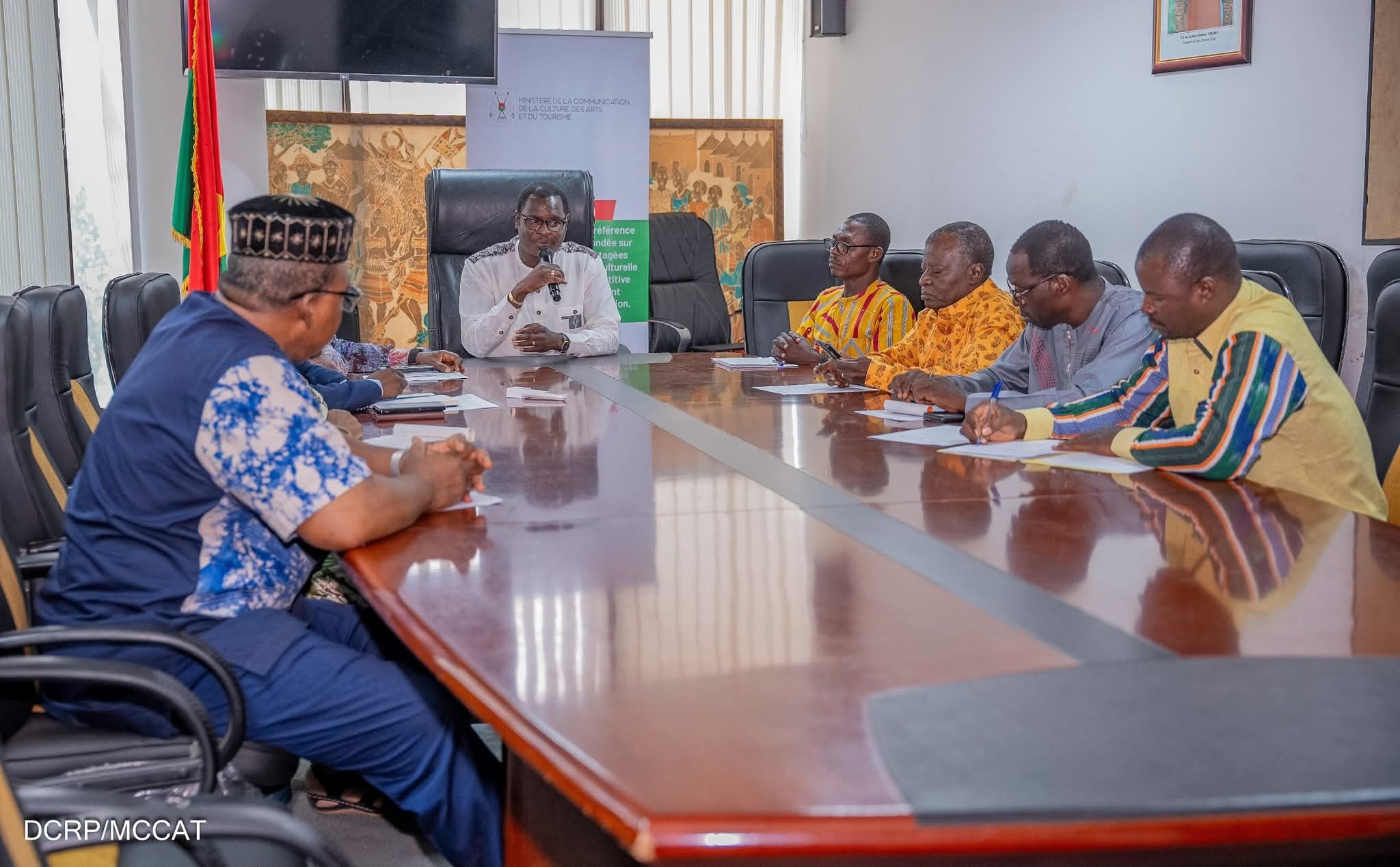
Pour la 15e édition des UACO, prévue du 7 au 9 octobre 2026 à Ouagadougou, le chef du département de la Communication a annoncé deux grandes innovations : le forum des acteurs des médias de l'AES et la " Nuit du Communicateur" qui est l'apothéose du concours "Zama d'or". Il a donc invité les membres du Comité à inscrire les travaux dans une dynamique de réflexion exigeante, capable d'éclairer les choix futurs et de nourrir une pensée africaine sur les questions d'information et de communication.
Organisées tous les deux ans, les UACO se tiendront désormais chaque année sur une période de cinq ans.
www.lefaso.net
Source : DCRP/MCCAT
Categories: Afrique, Diplomacy & Defense Think Tank News
Erdoğans Neuordnung des türkischen Staates - Vom Putschversuch zum autokratischen Präsidialsystem
Categories: Diplomacy & Defense Think Tank News
Die Region Tigray in der Grauzone des Krieges
Die Spannungen zwischen Addis Abeba und der Region Tigray schwellen sukzessive an. Fehlkalkulationen könnten sogar zu einem erneuten großflächigen Krieg führen, auch wenn die Beteiligten dies nicht direkt anstreben mögen. Seit Ende des Krieges im Norden Äthiopiens im November 2022 hat sich keine neue belastbare politische Ordnung herausgebildet. Tigray befindet sich in einer Zwischenwelt von Krieg und Frieden. Die Verantwortung dafür tragen sowohl die äthiopische Regierung als auch deren Friedenspartner, die Volksbefreiungsfront von Tigray (TPLF). Die TPLF hat nach dem Verlust der nationalen Regierungsmacht 2018 noch keine neue Rolle für sich gefunden, sondern ist von internen Machtkämpfen gezeichnet und von autoritären Reflexen geprägt. Umgekehrt hat die äthiopische Regierung nicht genug getan, die Rückkehr von Binnenvertriebenen zu ermöglichen und die territoriale Integrität von Tigray wiederherzustellen. Ein erneuter Waffengang könnte Eritrea, Sudan und weitere regionale Akteure miteinbeziehen. Deutschland und die EU sollten sich entschieden für Krisenprävention einsetzen, um eine weitere Eskalation in der ohnehin angespannten Region am Roten Meer zu verhindern.
Categories: Diplomacy & Defense Think Tank News
"Trumps Politik ist von Strategielosigkeit geprägt"
Gerade einen Tag hatte Trumps Ankündigung einer Maut für die Straße von Hormus Bestand. Der Politikwissenschaftler Sascha Lohmann sagt im Interview, das sei symptomatisch für Trumps Politikstil. Vom Fehlen einer Strategie profitiere Iran.
Categories: Diplomacy & Defense Think Tank News
Rubio : feu à volonté sur la Cour pénale internationale
Depuis le retour de Donald Trump au pouvoir, les divergences entre les États-Unis et les pays européens ne cessent de s’accentuer, au point de remettre en question l’existence d’un monde occidental uni autour de valeurs communes. Le droit international constitue l’un des principaux points de rupture. Les récentes attaques de Marco Rubio contre la Cour pénale internationale marquent, à cet égard, une étape supplémentaire dans la croisade états-unienne à l’encontre de l’institution.
Les désaccords transatlantiques autour de la CPI ne sont pas nouveaux. Dès l’adoption du Statut de Rome, en 1998, les États-Unis de Bill Clinton avaient choisi de rester en dehors de cette juridiction. Mais la confrontation s’est considérablement durcie après la délivrance de mandats d’arrêt contre Benyamin Netanyahou et son ancien ministre de la Défense, Yoav Gallant. Washington a alors pris des sanctions contre des responsables de la Cour, traités comme s’ils étaient eux-mêmes des criminels.
Marco Rubio souhaite désormais aller plus loin et ne cache plus sa volonté de voir disparaître la CPI. Il présente la Cour comme la « bête noire » des États-Unis et affirme que « la CPI et ses alliés mènent une guerre contre notre pays à coup de statuts ». En évoquant avec mépris « ce qu’on appelle le droit international », il ne se contente plus de contester certaines décisions de la Cour : il remet en cause le principe même d’une justice internationale.
L’administration américaine entend ainsi pousser les États signataires du Statut de Rome à se retirer de la CPI. Cette offensive traduit une volonté de revenir à un ordre international dominé par les rapports de force et la loi du plus puissant.
Les Européens se retrouvent face à un choix déterminant : défendre les principes et les institutions qu’ils affirment soutenir, au risque de s’opposer frontalement à Washington, ou y renoncer pour préserver la protection et les financements américains. Au-delà de l’avenir de la CPI, c’est la crédibilité internationale de l’Europe qui est en jeu.
Mon analyse dans cette vidéo.
L’article Rubio : feu à volonté sur la Cour pénale internationale est apparu en premier sur IRIS.
Categories: Diplomacy & Defense Think Tank News, European Union
Debate: Europeans launch new defence alliance
Several European countries have agreed in Paris to form an alliance with Ukraine for joint missile defence, with the declared aim of deterring and neutralising threats. In addition, the Coalition of the Willing declared its readiness to guarantee Ukraine's security in the event of a ceasefire and announced multinational military exercises in Poland.
Categories: Diplomacy & Defense Think Tank News, European Union
Colombia as a Leader in Climate and Energy Policy
Under President Gustavo Petro, Colombia has positioned itself internationally as a leader in climate action and in pursuing a just transition away from fossil fuels. Among other things, Petro’s climate and energy policy relied on supply-side measures to limit the exploitation of fossil fuels – a unique approach among those countries in the Global South that, like Colombia, export fossil fuels. At the same time, Petro has had only limited success in implementing this agenda within his own country. With the election victory of the right-wing opposition candidate, Abelardo de la Espriella, the future of this reform course is now being renegotiated. Whether the transformation in Colombia succeeds without jeopardising short-term economic stability, security of supply, and social cohesion is relevant for many countries that export fossil fuels and have only limited fiscal space. They are therefore closely watching whether, and under what conditions, Germany and the European Union (EU) provide support for Colombia’s transformation. Failure would have political implications beyond Colombia.
Categories: Diplomacy & Defense Think Tank News
The failed coup and Turkey’s path towards autocracy
On 15 July 2016, factions within the Turkish military attempted to overthrow President Recep Tayyip Erdoğan and the government. The coup failed due to resistance from the public, opposition from the political leadership and divisions within the army itself. For Erdoğan, this presented a valuable political opportunity. Citing the need to avert further danger, he initiated far-reaching purges across the state apparatus and began a fundamental restructuring of the political system.
Purges and institutional restructuring under a state of emergencyOn 21 July 2016, Parliament approved a state of emergency declared by the government. It remained in force until mid-July 2018. Erdoğan used it to carry out comprehensive purges across the state apparatus with 32 emergency decrees. Around 130,000 public-sector employees were dismissed. By the end of 2016, the authorities had arrested around 125,000 people, including 36,000 to 40,000 who were placed in pre-trial detention – with 149 journalists among them. By the end of 2022, the number of arrests and detentions in connection with the coup attempt had risen to around 332,000, with 4,000 judges and prosecutors losing their posts. Thousands of private schools, universities and foundations were closed by decree. A further 131 media companies were shut down, including 45 newspapers, 16 television stations, 23 radio stations and 3 news agencies. The authorities also revoked the passports of tens of thousands of people.
Extensive repression and the resulting climate of fear significantly restricted political competition and public debate. In this environment, the government initiated a restructuring of Turkey’s institutions.
The decisive step was the constitutional referendum held in April 2017, in which a narrow majority voted to introduce a presidential system that significantly expanded the president’s powers. International election observers reported irregularities and concluded that the referendum was not free or fair. The legitimacy of the result remained controversial, not least because the Supreme Electoral Committee subsequently admitted around two million improperly stamped ballots on election night, thereby pushing the referendum to a narrow victory.
The constitutional amendment strengthened executive power and largely concentrated it in the hands of the president. He was given extensive executive and appointment powers, while Parliament’s oversight and veto rights were restricted. In addition, the growing influence of the executive has weakened judicial independence. Numerous political scientists initially classified Turkey as a “competitive authoritarian” regime, with more recent analyses increasingly assessing it as an “autocracy”.
International governance indices document this development. Turkey’s score in the Liberal Democracy Index nearly halved within a few years. Freedom House downgraded Turkey from “Partly Free” to “Not Free” in 2018. Since the state of emergency, the World Justice Project’s Rule of Law Index has also shown significant deficits in the rule of law and judicial independence.
The economic consequences of autocratisation in TurkeyAutocratisation was accompanied by a significant erosion of the central institutional framework of the Turkish economy. The weakening of democratic institutions, the rule of law and the protection of property rights, as well as the loss of central bank independence, increased uncertainties about economic policy. The growing concentration of power and the dismantling of institutional constraints on government action have negatively impacted the predictability of economic policy. This was reflected in key economic indicators, which pointed to a marked economic slowdown from 2016 onwards.
In the first five years following the coup attempt, average annual real GDP growth fell from 6.5 in the preceding five-year period to 3.5 per cent, despite expansionary monetary and fiscal policies. At the same time, nominal GDP per capita fell from around $11,000 to $9,700. Foreign direct investment inflows also declined from an average of $15 billion to $11 billion. Export growth slowed from 5 to 3 per cent, while inflation rose from 7 to 14 per cent. The Turkish lira also depreciated significantly and became more volatile.
There are currently no signs of a sustained economic recovery. The ongoing repression against the opposition party CHP and its mayors, as well as the government’s renewed efforts to amend the constitution to secure its hold on power, are increasing political instability and impacting the investment climate.
Categories: Diplomacy & Defense Think Tank News
Staatskonsum stabilisiert die Wirtschaft kurzfristig, Steuersenkungen wirken stärker, aber verzögert
Finanzpolitischer Kurswechsel umfasst neben Sondervermögen und gelockerter Schuldenbremse auch steuerliche Entlastungen – Wirkung der Instrumente ist entscheidend, sie sollten gezielt kombiniert werden – Ein zusätzlicher Euro Staatskonsum erhöht das BIP kurzfristig um rund einen Euro – Eine ...
Categories: Diplomacy & Defense Think Tank News
Global value chains in Egypt: overview, challenges, and opportunities chapter
Categories: Diplomacy & Defense Think Tank News
Global value chains in Egypt: overview, challenges, and opportunities chapter
Categories: Diplomacy & Defense Think Tank News
Global value chains in Egypt: overview, challenges, and opportunities chapter
Categories: Diplomacy & Defense Think Tank News, Europäische Union
Global value chains in Egypt: overview, challenges, and opportunities chapter
Categories: Diplomacy & Defense Think Tank News
Pages


© 2012-2018 Europa Varietas Foundation © 2015-2018 Europa Varietas Association
www.europavarietas.org | info(@)europavarietas(dot)org | Switzerland


We are looking for sponsors for the English translation of these books, please contact turkeandras(at)gmail(dot)com